

Consulting
Before deciding what to do with a system, you need to know what state it is in.
We review code, architecture, technical security, performance and delivery processes, including Adobe Experience Manager implementations. It ends in a document with prioritized findings, not a sales pitch.
When it fits
Questions now argued with opinions.
An audit answers with evidence what is being argued today with opinions.
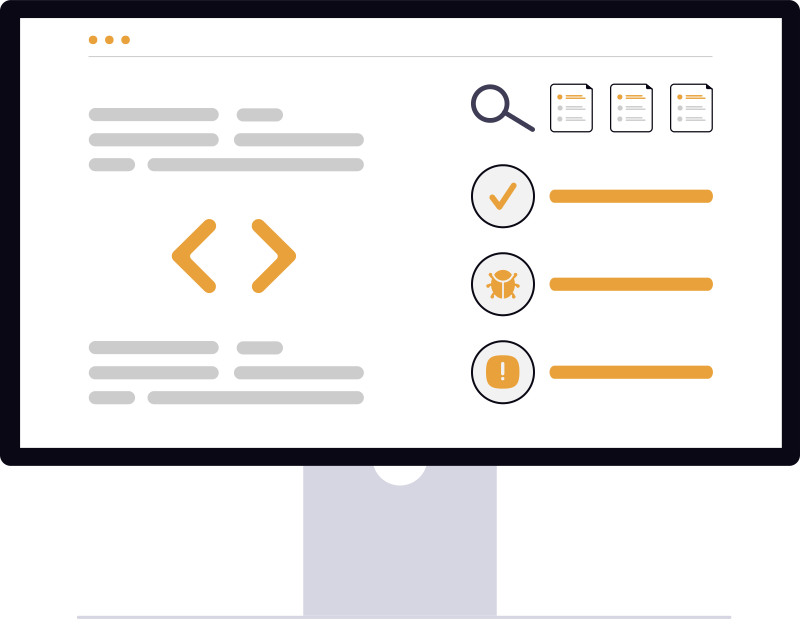
What it includes
What we review in the system.
How we work
From access to remediation plan.
Framing
We agree on scope, the questions to answer and the access required.
Review
Analysis of code, infrastructure and processes, with team interviews.
Findings
Every finding with evidence, severity and a recommendation.
Plan
Actions ranked by risk and effort, grouped into phases.
Handoff
Presentation to the technical team and to the decision maker, with time for questions.
What you get
Evidence, risks and a plan.
FAQ
What people usually ask us.
What access do you need?
Read access to the repository and, depending on scope, to infrastructure and environments. Access is named and revoked when we finish.
Does the audit end in a proposal to rebuild the system?
No. It ends in a plan. If the conclusion is that your team or your current vendor can fix it, we say so.
Do you sign an NDA?
Yes, before we see any code or information.

Consulting
Other services in this discipline.

Project management
Scope, schedule, and risks under control

SEO strategy
Get found for what you actually do

Technology strategy
Diagnosis, architecture, and roadmap

Corporate image strategy
How your company looks and presents itself

Design consulting
Experience, interface, and design systems

Brand positioning
The place your brand holds and how to defend it

Technical support
Care plans for a site already in use

Cloud consulting
Infrastructure your team can run

Development consulting
Hands-on support for your development team



Let’s find out the real state of your system.
Tell us which system it is and what decision is pending. The audit scope comes from there.